


The Journal
Rug Materials & Hand-Knotted Craftsmanship
Learn how hand-knotted rugs are made, from hand-spun wool to the final knot, and why natural fibers and skilled weaving create rugs that last for generations.
-
Rug Materials
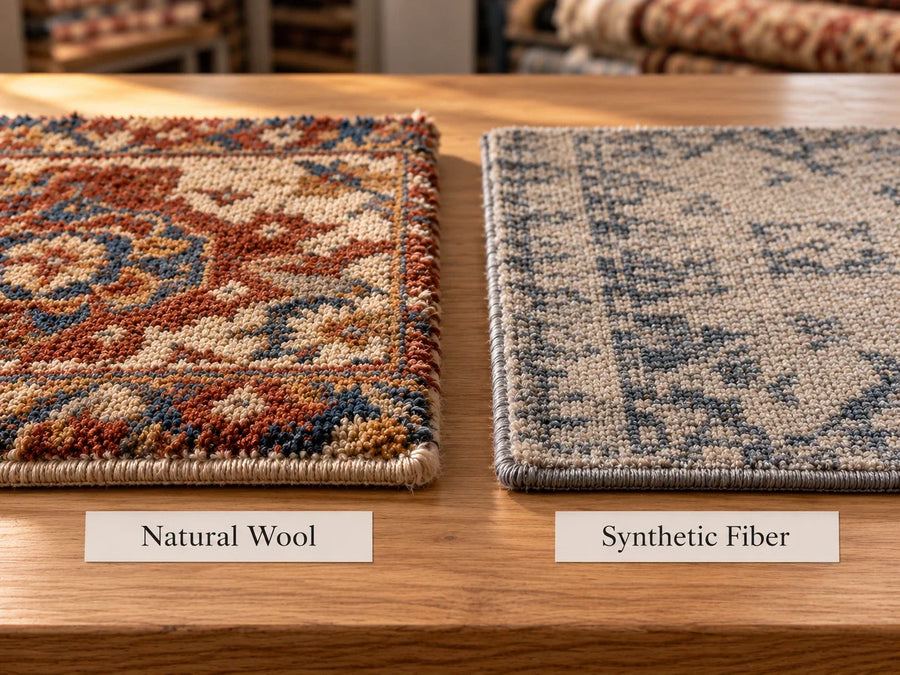
Wool vs. Synthetic Rugs: Which Is Better?
Why wool beats polyester, polypropylene and nylon for comfort, durability and lasting beauty.
Read Guide -
Rug Construction
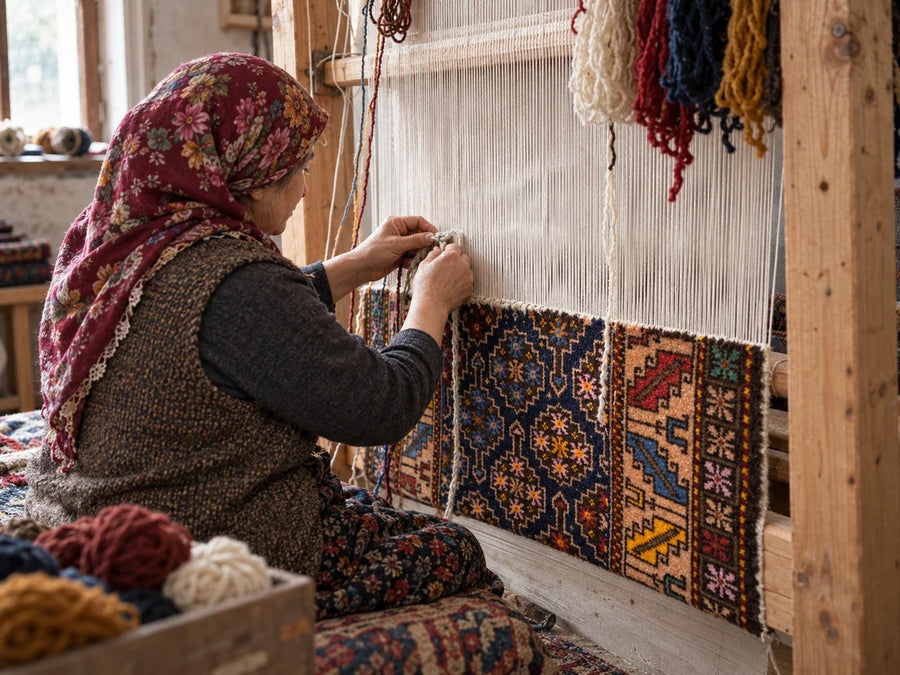
How Hand-Knotted Rugs Are Made, Step by Step
From raw wool to finished rug: every step of making a hand-knotted rug, and why it matters.
Read Guide
Explore More Guides
-
Rug Size Guides
3 guides
Find the right rug size for your living room, bedroom and more.
Explore Size Guides -
Buying Guides
2 guides
Essential advice for choosing a quality hand-knotted rug.
Explore Buying Guides -
Care & Maintenance
2 guides
Keep your rug looking its best with simple, easy care.
Explore Care Guides -
Design Advice
1 guide
Expert insights on styling, color and working with your furniture.
Explore Design Advice


Rug Materials Questions
Quick answers to the most common questions about choosing, buying and caring for a hand-knotted rug.
Can’t find your answer? Visit our help center, or contact us here.
Why is wool the best material for a rug?
Wool is naturally durable, soft underfoot and resilient, so it keeps its look for decades. Hand-knotted wool rugs outlast synthetic rugs by many years.
How long does it take to make a hand-knotted rug?
Depending on its size and knot density, a hand-knotted rug can take several months to more than a year to finish.
What is the difference between wool and wool & silk rugs?
Silk adds sheen and fine detail to the design. A wool and silk rug pairs the durability of wool with silk highlights that catch the light.


